14 Things You Can Do
One of the most common questions we're asked is "What can I do to help save the Bay?" Here are 14 ways you can help.
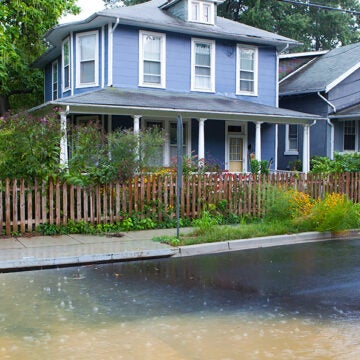
One of the most common questions we’re asked is “What can I do to help save the Bay?” The short answer is to prevent polluted runoff—especially nitrogen, phosphorus, and sediment—from running into your local creeks, rivers, and the Chesapeake Bay. When water flows off of our streets, parking lots, and building rooftops, it picks up all kinds of pollutants like pet waste, sediment, fertilizers, pesticides, oil, and automotive fluids. As more houses, roads, and shopping centers are built, more of this polluted stormwater or runoff makes its way through gutters and storm drains to the nearest stream.
Fourteen Ways to Reduce Polluted Runoff
Here are 14 ways you can take real action to reduce polluted runoff. Many of these make great projects for your community, school, church, scout troop, garden club, or other group.
Oils, anti-freeze, paint, solvents, cleaners, preservatives, and prescription drugs should not be poured down a household or storm drain. Check with your county waste management service to find out what hazardous materials they accept.
Learn to live with a dandelion or two. Lawn fertilizers and chemicals are a big source of nitrogen and phosphorus pollution and toxic runoff.
Septic systems should be inspected yearly to ensure proper functioning. Waste from failing systems can leak into the groundwater and eventually end up in local waterways and the Bay.
Bay-friendly landscaping reduces stormwater runoff. In addition, native grasses and other plants don’t require the amount of watering or fertilizing necessary for non-natives. Consider involving and educating your community by using Bay-friendly landscaping on community property near your home. See our In Your Yard page for eco-friendly gardening tips.
Bare spots are places where vegetation (such as plants, shrubs, grasses, flowers) no longer exists in the soil. The outcome of having any type of bare spot is the same: stormwater hits the ground and is not able to soak in to the soil. Use our step-by-step guide to fix the bare spots in your school or home yard.
Rain gardens are special gardens placed in low-lying areas that typically receive a lot of runoff during storms. Planted with native species that can handle wet soil, these gardens help reduce flooding and erosion and filter runoff. If you have a really wet area or one with heavy clay soil that drains slowly, you might want to consider a backyard wetland.
Placed at the base of a downspout, a typical rain barrel can hold 55-75 gallons of stormwater runoff from a rooftop, reducing flooding and erosion. They can be bought from garden supply centers or easily built. Learn how to build and install your own rain barrel.
Living shorelines prevent erosion, allow wildlife access, and beautify your waterfront. This is another great community project. Learn more about living shorelines.
Time to replace that crumbling driveway? Consider using permeable pavers that allow runoff to soak into the ground and be filtered naturally rather than runoff into the nearest storm drain.
Programs such as CBF’s Volunteers as Chesapeake Stewards (VoiCeS) and Clean Water Captains teach citizens how to engage their communities in identifing and solving environmental problems. Look for a local program near you. Several states also offer Watershed Stewards Academy or Master Watershed Stewards programs.
Besides providing oxygen to the atmosphere, trees hold soil in place with their roots, preventing erosion that runs into the Bay. They soak up fertilizer and other chemicals before they seep into waterways. And by shading your home in summer, they even reduce energy costs. See our page 17 Native Trees for Your Yard. No space to plant another tree on your property? Check out our upcoming events and volunteer opportunities.
One of the most important individual actions that you can take is to vote for thoughtful and responsible land use and conservation policies in your community and state. An informed electorate can flex its political muscle on behalf of the environment. Visit our Action Center for information about current issues that need your voice and to find tools and resources to help you advocate for a clean Bay, rivers, and streams.
Your tax-deductible donation helps us implement clean water practices, help farmers and homeowners reduce polluted runoff, and work with federal, state, and local governments to improve clean water regulations and legislation. Make a donation today or become a sustaining member.
Be the first to know the latest about issues affecting the Bay and steps you can take to make a difference. Sign up now.
Resources to Help You Save the Bay
Local CBF Events
The Chesapeake Bay Foundation provides workshops and restoration events throughout the Bay watershed where you can help plant trees by a stream, work on a living shoreline, or participate in other clean water projects in your community. Bookmark our online calendar and check it throughout the year for an event near you.
What goes down the drain?
This playful publication was designed mainly for fourth and fifth graders who want to find out what they can do to help stop pollutants from flowing into the Bay. It is a companion piece for the large, interactive drainpipe display that CBF uses at festivals, and it includes word scrambles, trivia questions, and other games.
Detox Your Home
This poster colorfully illustrates things you can do to cut back on the use of dangerous chemicals in both your home and in your yard.
10 Things You Can Do To Save the Bay
Think about the choices you make in your home, in your yard, and at your table. Consider making changes to help lessen pollution in our waterways. This colorful poster outlines ten things you can do to help make a difference.
State Erosion and Sediment Control Ordinances
Counties and states have their own erosion and sediment control ordinances. Become familiar with your local ordinance and the steps for reporting sites that are out of compliance.
