Save the Bay
S a v e t h e B a y
Our Work
At the Chesapeake Bay Foundation, we are creating a healthy and resilient Bay ecosystem where people, plants, and animals thrive.
View All ProgramsEnvironmental Education
For more than 50 years, CBF's award-winning education programs have connected students, teachers, and school leaders to the Chesapeake Bay watershed. Through hands-on field experiences, leadership training, and classroom support, we're inspiring the next generation of environmental leaders.
Advocacy
The Chesapeake Bay Foundation and its supporters are the strongest and most effective voice that exists for protecting and restoring the Bay and its rivers and streams. Through our advocacy programs we're equipping communities with the tools to advocate for science-driven laws and regulations to protect clean water.
Restoration
CBF performs hands-on restoration work with community partners across the watershed to reduce pollution at its source and rebuild the Bay's natural filters—oyster reefs, forests, soil, and wetlands. These efforts not only improve water quality in the Bay and its rivers, they also protect shorelines, provide habitat for wildlife, cool cities, and increase our resilience to climate change.
Litigation
CBF's Litigation team works to protect, enforce, and bring about meaningful change for our Bay region's waters and people. For decades, our team has served as a watchdog for the Bay and its rivers and streams, holding polluters, regulators, and decision-makers accountable to ensure clean water for all.

Chesapeake Bay Vitals
How is the Bay doing?
Bay watershed gets a C+ in latest health grade
Underwater grasses are up in the lower Bay
Crab population increases 46% over last year
Latest News & Stories
-
 Blog Story
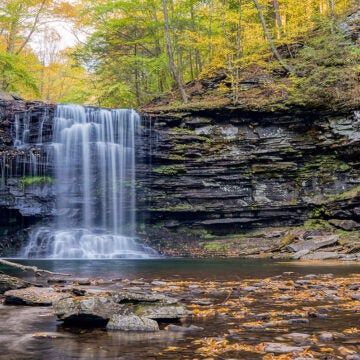
Forty Years of Clean Water Work Across Pennsylvania
This month marks the 40th anniversary of CBF’s Pennsylvania office and with it comes great progress for clean water across the Commonwealth.
-
 Blog Story
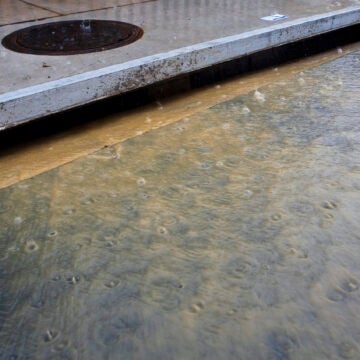
Amid Trump Attacks on Chesapeake Bay, Maryland Must Lead the Way. Let’s Start with Stormwater.
Recently President Trump took aim at the Chesapeake Bay. Perhaps just as concerning, he urged states to backtrack on one of Maryland’s fastest growing challenges: flooding and pollution from stormwater.
-
 News
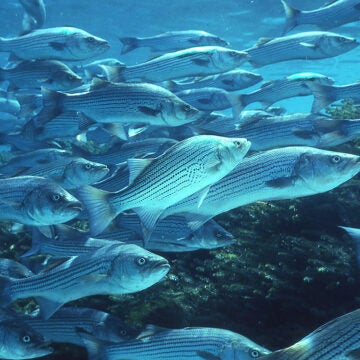
NewsStriped Bass See Slight Boost amid Years-Long Struggle in Chesapeake Bay, Annual Survey Says
Despite a slight bump in numbers compared to last year, the future remains bleak for striped bass in the Chesapeake Bay, as seen in juvenile striped bass survey results released today.
-
 News
NewsMaryland Farmers Demonstrate Multi-Faceted Benefits of Regenerative Agriculture
About one hundred farmers, partners, and policymakers explored two Frederick County farms utilizing regenerative agriculture.
How to Get Involved
From signing up for an event to shopping our CBF Store, there are so many ways you can get involved in the Save the Bay movement.
Chesapeake Plants, Animals, and More
The Chesapeake is home to more than 3,600 species of plants and animals. Discover some of the rich, extraordinary wildlife and habitat that make this place so special.
Threats and Opportunities
The Bay region faces a number of threats, challenges, and opportunities, including climate change, air pollution, agricultural and urban/suburban polluted runoff, and more. Learn more and what you can do to help.

Upcoming Events & Opportunities
Classes on how to become a Chesapeake steward, opportunities to grow oysters and plant trees, summer Eco-Camps and Student Leadership Expeditions—there are countless ways to join the save the Bay movement!
View All Events and Opportunities